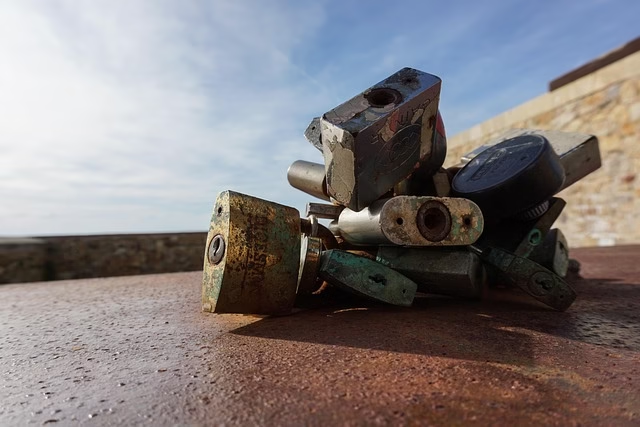
A Friendship Breakup: How to Heal When Your Best Friend Becomes a Stranger
A friendship breakup is one of the most underestimated forms of heartbreak that can shatter us from within. Unlike romantic relationships, society doesn’t always acknowledge the profound pain of losing a close friend, yet the emotional toll can be equally devastating—sometimes even more so. When a friendship ends, you’re not just losing a person; you’re losing shared memories, inside jokes, future plans, and often your sense of identity within that relationship.
The silence that follows a friendship breakup is deafening. You reach for your phone to text them about your day, only to remember that they’re no longer your person. You see a song you both loved and feel that familiar ache in your chest. The grief is real, it’s valid, and it deserves to be acknowledged.

Understanding the Depth of a Friendship Breakup
When we talk about a friendship breakup, we’re discussing the end of what might have been your closest, most authentic relationship. Unlike romantic breakups that come with societal rituals (breakup songs, sympathy from colleagues, understanding nods), friendship endings often happen in silence. Friends don’t usually get the same recognition for being “exes,” yet the pain is equally legitimate.
I remember when my best friend of twelve years suddenly stopped responding to my messages. There was no dramatic fight, no clear ending point—just a slow fade that left me questioning what I’d done wrong for months. That experience taught me that a friendship breakup can happen in many ways: sudden distance, a betrayal of trust, unresolved conflicts, or simply growing in different directions. Each path to this painful destination leaves its own kind of scar.

Why Friendship Breakups Hurt So Differently
Friendships are often our safest relationships. We choose our friends in ways we don’t choose family, and we invest tremendous emotional energy into them. When a friendship breakup occurs, it can feel like a referendum on our entire personality and worth.
The Unique Pain Points
- Loss of daily companionship: Unlike romantic relationships that are socially recognized as significant, you might lose your day-to-day confidant
- Social circle complications: Mutual friends may force you to choose sides or create awkward situations
- Identity confusion: Your social identity may have been tied to being “one of a pair” or part of a friend group
- Lack of societal validation: People often dismiss friendship endings as “just not a big deal”
- Unfinished conversations: Many friendships end without proper closure or explanation
My colleague Sarah experienced this firsthand when her college roommate—someone she’d considered a soulmate—suddenly cut off contact after Sarah couldn’t attend her wedding. “Nobody understood why I was grieving so intensely,” Sarah told me. “It wasn’t a romantic breakup, so people expected me to just move on. But that friendship had shaped my twenties.”
The Stages of Friendship Breakup Grief
Understanding that a friendship breakup follows predictable emotional patterns can help normalize what you’re experiencing.
Stage 1: Denial and Disbelief
Stage 2: Anger and Blame
Stage 3: Bargaining
Stage 4: Sadness and Acceptance
Stage 5: Integration
How to Heal From a Friendship Breakup
Processing the loss is non-negotiable. Here are practical steps to navigate your healing journey:
1. Allow Yourself to Grieve
2. Create Physical Distance
3. Process Through Writing
4. Invest in Remaining Friendships
5. Seek Professional Support
6. Practice Self-Compassion
The Question of Reconciliation
One of the hardest questions after a friendship breakup is: could we ever be friends again? The answer isn’t simple.
Sometimes friendships can be repaired with honest conversations and mutual willingness to address what broke. Other times, people grow too far apart or trust is too damaged. The key is letting go of the need for reconciliation as proof of your worth. Some people are meant to be chapters in our story, not the entire book.
Building Resilience After Friendship Loss
Having navigated a friendship breakup, you emerge with unexpected strength. This experience teaches you:
- How to set healthy boundaries in relationships
- The difference between people who fill your cup and those who drain it
- That you can survive loss and still thrive
- To appreciate friendships while you have them
- That people can matter to you without mattering forever
As you move forward, remember that the friendship wasn’t wasted just because it ended. The joy you shared was real, the support you gave each other was meaningful, and the person you became through that friendship is here to stay.
Finding Hope on the Other Side
A friendship breakup doesn’t mark the end of your capacity to love or be loved. It marks a transformation. You’re learning that you’re resilient, that you can grieve and still move forward, and that your worth isn’t determined by who stays in your life. The pain you feel today is proof of how deeply you loved, and that’s beautiful. The friends who remain, the new connections you’ll make, and the wisdom you’ve gained—these are the treasures that emerge from this darkness. Your heart is healing, even on the days when it doesn’t feel like it.